
Exploring the world of gardening with insights from Charlie Dimmock on Garden Rescue opens up a realm of hidden knowledge and innovative techniques. Get ready to uncover secrets that will transform your garden into a vibrant paradise.
From gardening techniques to plant selection and care, this discussion delves into the wisdom shared by Dimmock and how it can revolutionize your gardening game.
Gardening Techniques
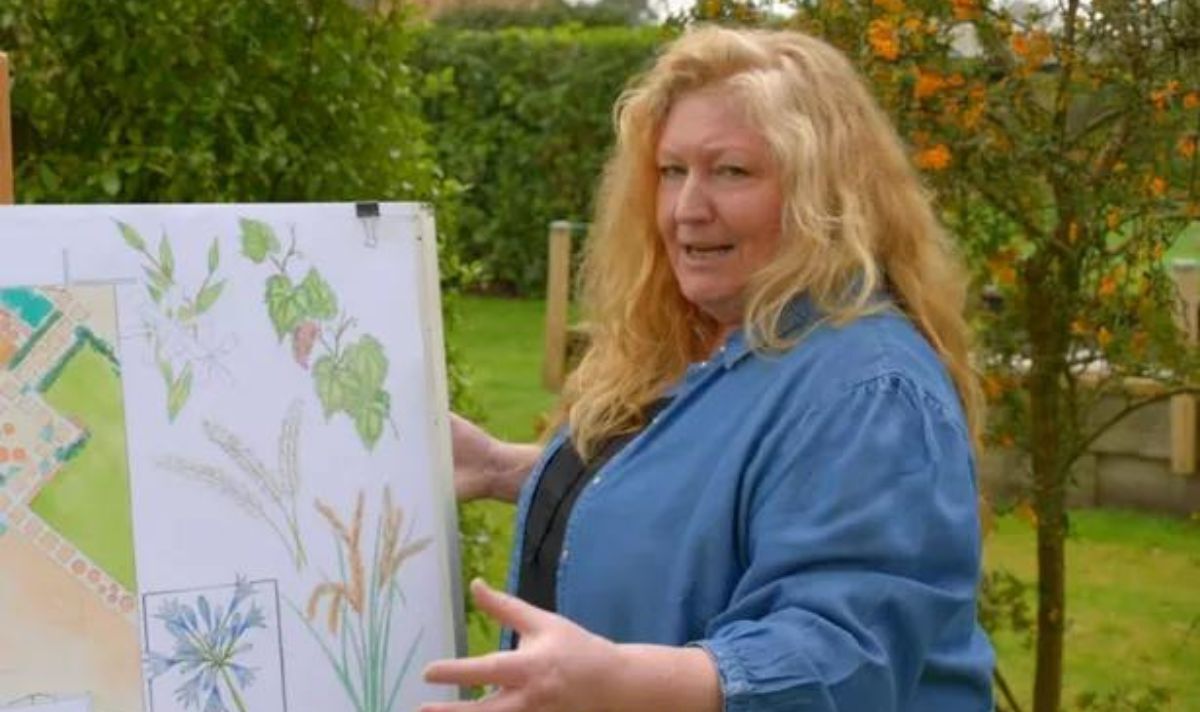
Charlie Dimmock shared some key gardening techniques on Garden Rescue that are essential for maintaining a healthy garden.
Watering Techniques
- One technique emphasized by Charlie Dimmock is deep watering. This involves watering the garden deeply but less frequently to encourage plants to develop deeper roots.
- She also recommends watering in the morning to allow plants to absorb moisture before the heat of the day.
- Using a soaker hose or drip irrigation system can help deliver water directly to the roots, reducing water waste through evaporation.
Planting Techniques
- Charlie Dimmock suggests planting in groups or clusters rather than in straight lines to create a more natural and visually appealing garden.
- She also advises planting taller plants at the back of the garden beds and shorter ones at the front to create depth and interest.
- When planting, it's important to loosen the soil and add organic matter to improve drainage and provide nutrients for the plants.
Weeding Techniques
- Instead of using harmful chemicals, Charlie Dimmock recommends hand weeding to remove weeds from the garden beds.
- Regularly mulching the garden can also help suppress weed growth by blocking sunlight and preventing weed seeds from germinating.
- She suggests pulling weeds when the soil is moist to make it easier to remove the entire root system.
Plant Selection and Care
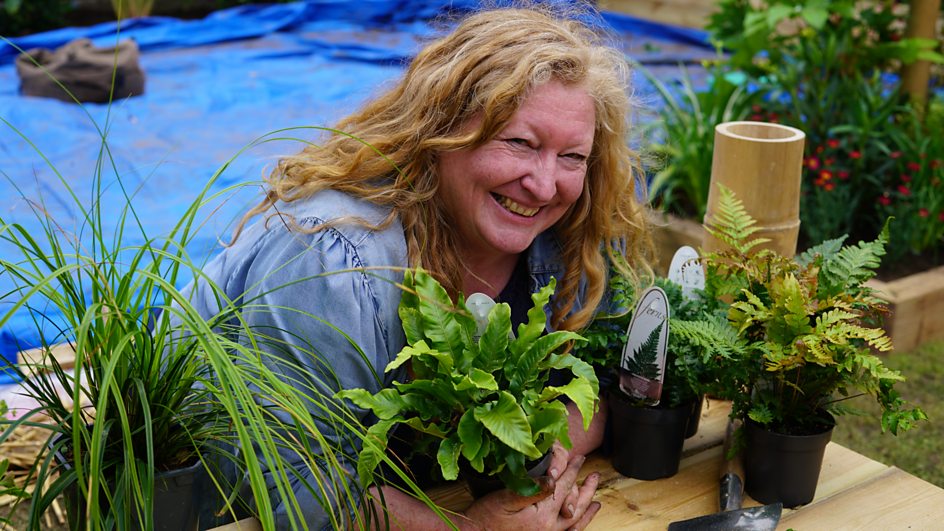 Charlie Dimmock emphasizes the importance of selecting the right plants for a garden to ensure they thrive in their environment. She suggests considering factors such as sunlight exposure, soil type, and climate when choosing plants.
Best Practices for Caring for Different Types of Plants
- Watering: Dimmock advises on watering plants deeply but infrequently to encourage deep root growth and prevent waterlogging.
- Pruning: Regular pruning helps maintain the shape and health of plants, promoting new growth and flowering.
- Fertilizing: Using organic fertilizers can provide plants with essential nutrients without the risk of chemical buildup in the soil.
- Weeding: Dimmock recommends regular weeding to prevent competition for nutrients and sunlight, allowing plants to thrive.
Unique Plant Care Tips Shared on the Show
Companion Planting: Dimmock suggests planting certain species together to deter pests and promote growth, such as marigolds to repel aphids.
Mulching: Applying mulch around plants helps retain moisture, suppress weeds, and regulate soil temperature, contributing to overall plant health.
Deadheading: Removing spent flowers encourages continuous blooming and prevents plants from expending energy on seed production.
Landscaping Secrets
Charlie Dimmock has shared a wealth of landscaping secrets on Garden Rescue, showcasing how strategic design can completely transform an outdoor space.
Utilizing Vertical Space
One key landscaping secret revealed by Charlie Dimmock is the importance of utilizing vertical space in a garden. By incorporating trellises, arbors, and vertical planters, she demonstrates how to create a sense of height and depth in a garden, making it appear larger and more dynamic.
Creating Focal Points
Dimmock often emphasizes the significance of creating focal points in a garden through landscaping. Whether it's a striking sculpture, a colorful flower bed, or a unique seating area, she shows how these focal points can draw the eye and add visual interest to the outdoor space.
Embracing Natural Elements
Another landscaping secret shared by Charlie Dimmock is the importance of embracing natural elements in garden design. By incorporating features such as natural stone pathways, wooden structures, and water elements, she demonstrates how to create a harmonious and organic feel in the outdoor space.
Sustainable Gardening Practices
Charlie Dimmock advocates for several sustainable gardening practices that not only benefit the environment but also promote healthier and more vibrant gardens.
Water Conservation
- Collect rainwater in a barrel to use for watering plants, reducing the need for tap water.
- Install a drip irrigation system to deliver water directly to plant roots, minimizing evaporation.
- Choose drought-resistant plants that require less watering.
Composting
- Start a compost pile to recycle kitchen scraps and yard waste into nutrient-rich soil for your garden.
- Use compost as a natural fertilizer to promote plant growth and soil health.
Native Plant Selection
- Opt for native plants that are adapted to your local climate and soil conditions, reducing the need for extra watering and chemical inputs.
- Native plants also attract beneficial wildlife like bees and butterflies, contributing to a balanced ecosystem.
Organic Pest Control
- Avoid synthetic pesticides and opt for natural remedies like neem oil, garlic spray, or companion planting to keep pests at bay.
- Encourage beneficial insects like ladybugs and lacewings to control pest populations naturally.
End of Discussion
As we conclude our journey through the gardening secrets revealed by Charlie Dimmock on Garden Rescue, remember that with the right knowledge and approach, anyone can create a stunning garden oasis. Let these insights inspire your green thumb adventures!
Top FAQs
What are some key gardening techniques shared by Charlie Dimmock?
Charlie Dimmock emphasizes the importance of proper soil preparation and watering techniques for maintaining a healthy garden.
How does Charlie Dimmock advise on selecting plants for a garden?
Dimmock recommends choosing plants that are suitable for the local climate and soil conditions to ensure their success in the garden.
What are some sustainable gardening practices advocated by Charlie Dimmock?
Charlie Dimmock promotes practices such as composting, water conservation, and using organic fertilizers to minimize environmental impact in gardening.